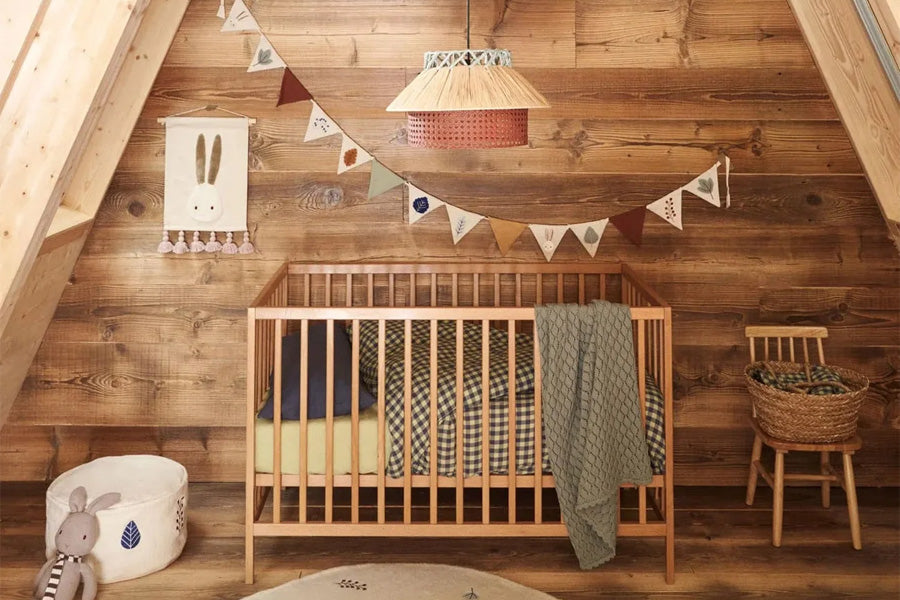

Furniture isn’t something you buy on a whim. And yet, this is exactly where a lot of bad decisions are made: the wrong sizes, awkward proportions, materials that don’t hold up in everyday use, or furniture that needs to be replaced after just a short time.
A good furniture purchase doesn’t start in an online store or showroom—it starts with a plan. Whether you’re , looking , for a sofa , , a dining table , or new dining chairs : being prepared helps you make the right decision and saves you money, time, and stress.
Why Furniture Purchases Often Go Wrong
Most bad purchases aren’t the result of poor taste, but of a lack of preparation. Furniture is viewed in isolation, not in relation to the room as a whole.
- Dimensions aren’t checked precisely;
- practical use and everyday life are underestimated
, , ; decisions are made based on discounts
, , ; and there’s a lack of harmony between furniture, lighting, and proportions
. This is particularly common in the living room ( sofa , , rug, coffee , table ) and in the dining room, where the table, chairs, and lighting don’t work together.
Step 1: Understand the room before you choose.

Before you choose a piece of furniture, you should understand the room:
- room size, including niches and windows;
- walkways and passageways;
- doors, radiators, and light sources
. Especially with larger pieces of furniture like sofas or sideboards , careful planning is key to comfort and the overall impact on the space.
Step 2: Prioritize Use Over Design

Scandinavian, Nordic, and Danish design stand for clarity and function. This same logic also applies when buying furniture.
- How often will the furniture be used?
- How many people will use it at the same time?
- Does it need to be easy to maintain or particularly sturdy?
A dining area will only work well in the long run if the dining tableand dining chairs are chosen together—not separately.
Step 3: Consider Proportions and Combinations
Rooms look harmonious when the furniture works together. Individual pieces of furniture quickly lose their impact without the right combination.
- Proportions between the sofa, rug, and coffee table
- ; heights of seats, tabletops, and armrests
- ; mix of materials and repetition of colors
- ; light as a unifying element
. A pendant light above the dining table or a table lamp in the living room visually ties the furniture together and creates a sense of calm in the room.
Step 4: Realistically Assess Quality

Very inexpensive furniture is often the most expensive solution in the long run. It needs to be replaced sooner and results in double the costs.
- Sturdy construction
- , high-quality materials
- , suitability for everyday use
,—it’sespecially, important to make a thoughtful decisionwhen it comes to central pieces of furniture such assofas,, dining tables, orarmchairs.
Step 5: Put Discounts in Perspective
. Discounts are no substitute for planning. A reduced price doesn’t make an ill-fitting piece of furniture any better.
Before every purchase, ask yourself:
- Would I buy this piece of furniture even without a discount?
- Does it really fit my space?
- Is it a long-term solution?
Conclusion: Make better decisions instead of buying more
. A well-thought-out furniture purchase takes time—but that time pays off. You’ll avoid impulse buys, save money, and create spaces that work in the long run.
This applies to indoor living spaces just as much as it does to outdoor areas. Even withoutdoor furniture, practicality for everyday use is more important than short-term trends.