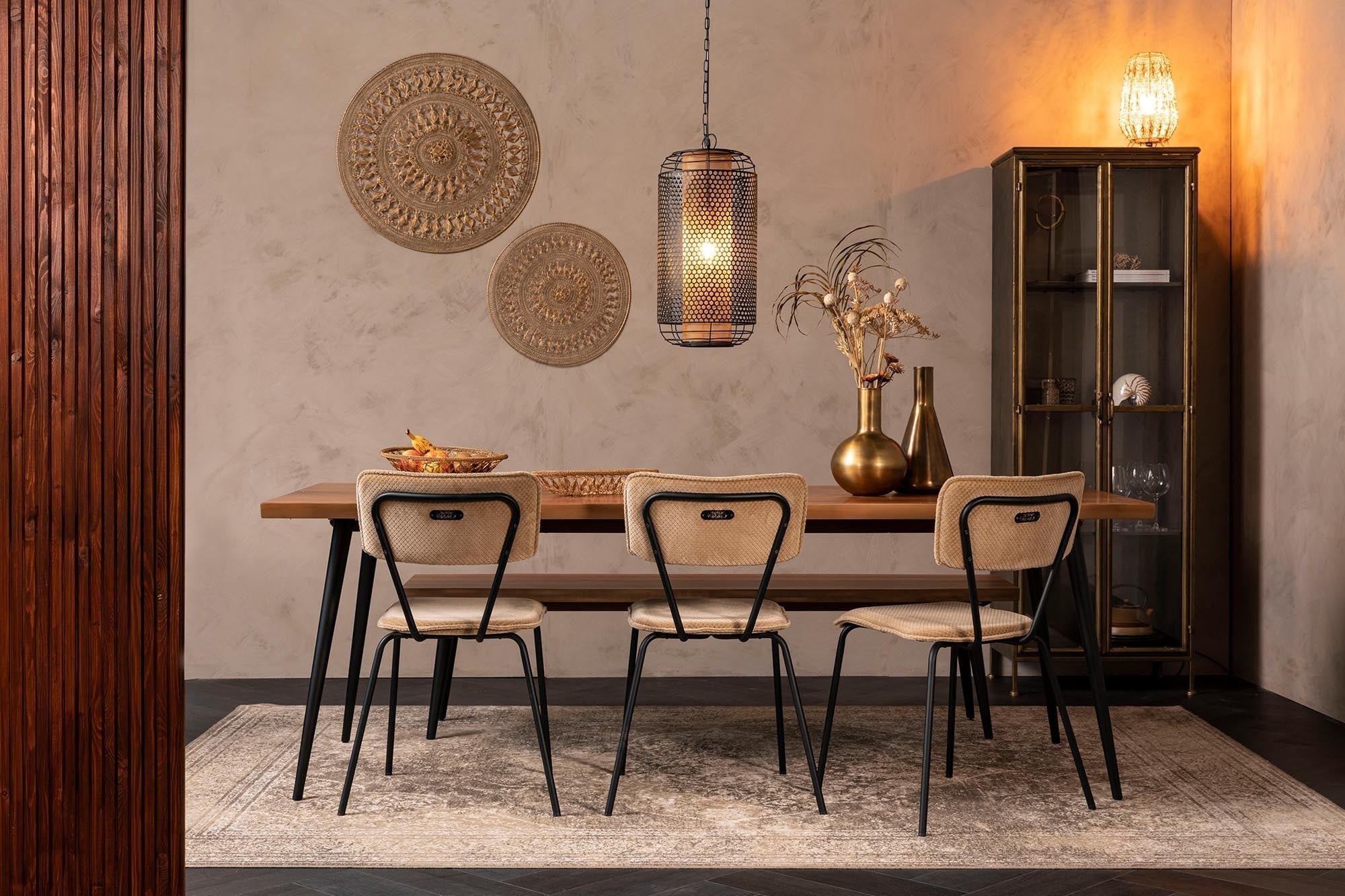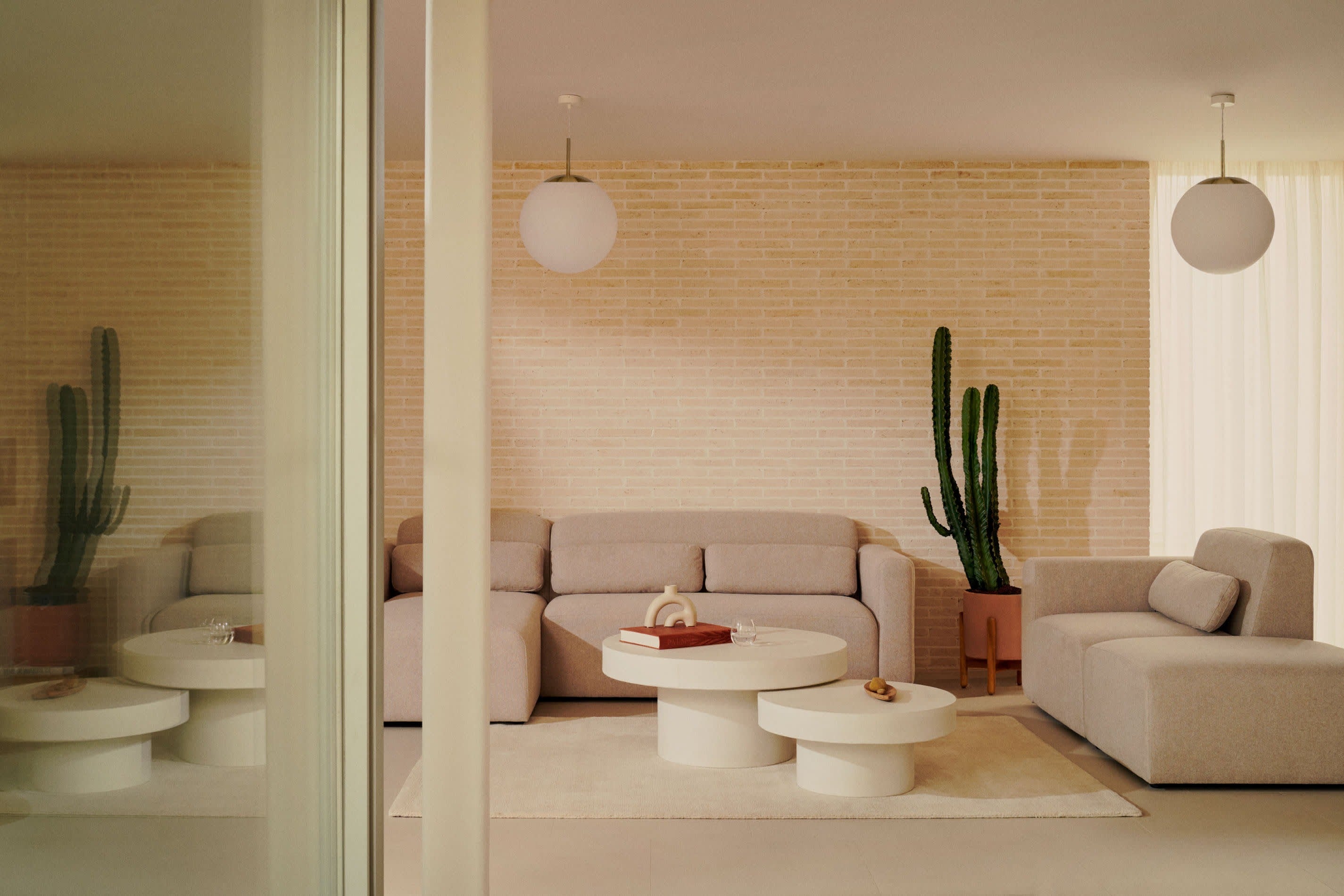
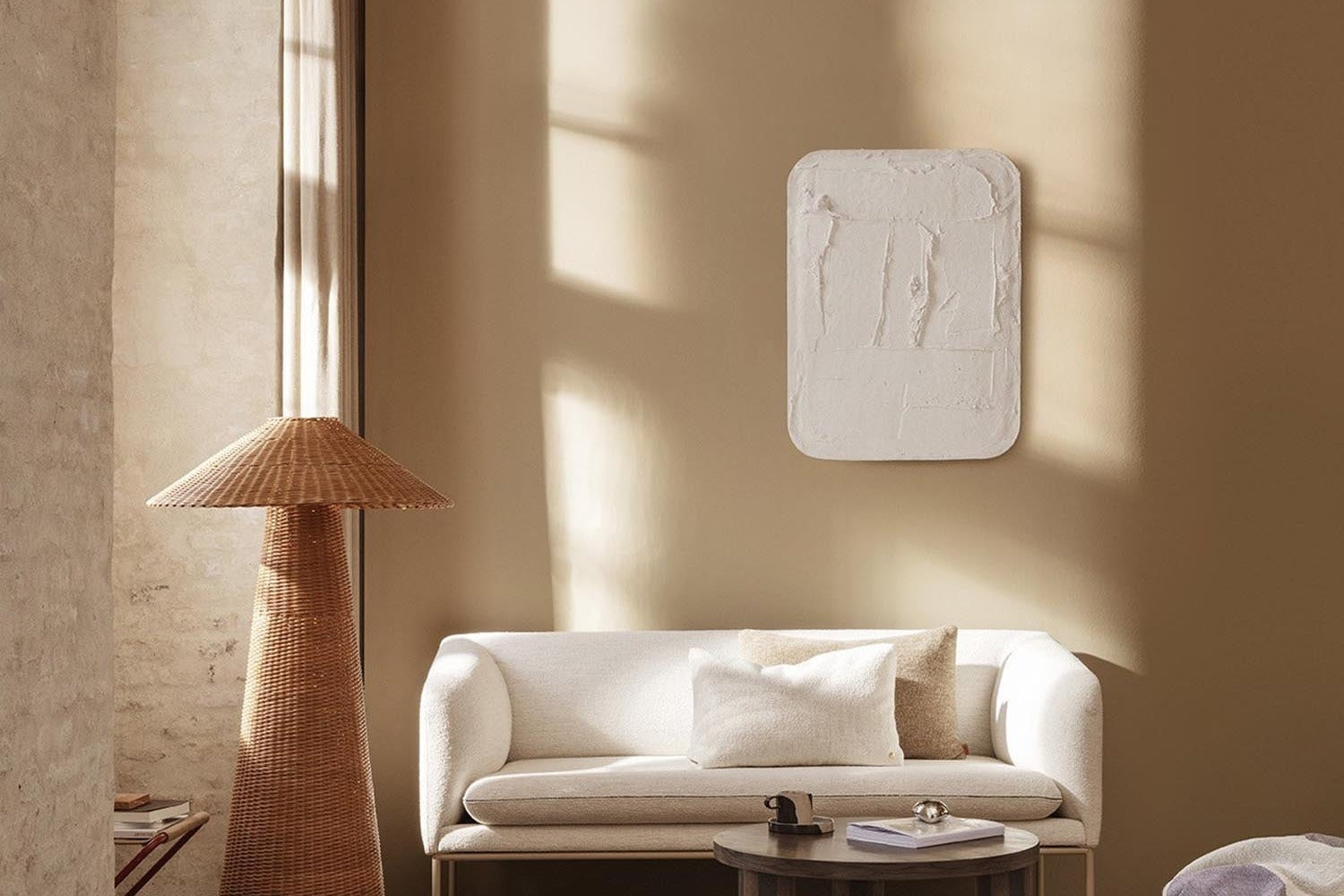
Admittedly, a glance at the big furniture stores paints a clear picture. Cheap, mass-produced goods—which often barely survive a single move—continue to dominate our everyday lives.
And yet many of us are feeling more and more clearly that this temporary way of living isn’t satisfying. Furniture comes and goes—but that sense of belonging never quite sets in.
This article doesn’t claim that disposable furniture will disappear. But it shows why more and more people are beginning to question this mindset—and how you can tell if a piece of furniture has the potential to be with you for the long haul.
The Psychology of the Temporary
Our surroundings constantly influence us—often unconsciously. A wobbly table, a cabinet with sagging doors, or surfaces that age quickly send a clear signal to our brains: This isn’t stable. This is only temporary.
Neuro-design shows that authentic materials like solid wood or metal convey a sense of security and grounding. When you choose quality, you’re not just choosing a piece of furniture—you’re choosing a calmer mental environment.
It’s the step from constantly settling in to trulyfeeling at home .
. Why disposable furniture remains so ubiquitous?
Disposable furniture is successful because it’s flexible, affordable, and immediately available. For many life situations, this seems sensible—especially when living situations or needs change frequently.
At the same time, many people’s experiences show that frequent replacement costs more than just money. It costs time, energy, and often a sense of stability.
The desire for durable furniture therefore rarely stems from ideology, but rather from everyday experience.
What Is Meant by an “Heirloom Guarantee”?
An heirloom guarantee is neither an official seal nor a promise of perfection. It describes a mindset when making a purchase.
It’s about furniture that can be repaired, is allowed to age gracefully, and still looks right even after many years—not because it’s trendy, but because it’s well-made.
1. Construction: Stability Starts on the Inside
The most important difference between short-lived and long-lasting furniture often lies where you don’t immediately look.
Load-bearing elements should be logically assembled, screwed together, or slotted—not just glued. Especially with furniture like dining tablesor sideboards , the construction determines whether a piece will last for many years.

2. Materials That Age Gracefully
High-quality materials change over time—and that’s exactly what makes them valuable. Solid wood develops a patina, fabrics become softer, and metal gains character.
Furniture that only looks good when brand-new quickly loses its appeal. A piece of furniture with the potential to become an heirloom is allowed to show signs of wear.
This is particularly evident in bookshelves or other furniture used daily.
3. Repairability Over Replacement
A piece of furniture that cannot be repaired is always just a temporary solution. Can a part be replaced? Can surfaces be refreshed? Can the piece be taken apart?
Durability begins where continued use remains possible—even if not everything stays perfect.
4. Timeless Design Instead of Fleeting Trends
Trend-driven furniture ages quickly. Timeless design is based on clear proportions, muted colors, and functional logic.
A minimalist shelf works just as well today as it will in ten years—regardless of changing trends.
Sustainability Through Simplicity
Sustainability in home design doesn’t mean constantly buying new “green” products. The most sustainable decision is often the one you make just once.
If you use a high-quality sideboard for decades, you save resources, reduce transportation distances, and—in the long run—save money too.
Conclusion: The starting point isn’t the market—it’s you
Perhaps we haven’t yet reached the end of the throwaway furniture era. But we’ve reached a point where we can start asking questions again—
questions about quality, repairability, and the value of things that are worth keeping.
Those who choose thoughtfully designed furniture aren't choosing against flexibility; rather, they're choosing tranquility, durability, and spaces with character.