
At first glance, more choice sounds like more freedom. In reality, however
, it often leads to uncertainty, delays, and poor decisions—especially when buying furniture.
Anyone who has ever spent hours comparing dozens of sofas, dining tables, or chairs knows the feeling: In the end, you’re not more certain—you’re more uncertain. In this article, you’ll learn why fewer choices often lead to better decisions—and how you can apply this to your home.
Too many choices overwhelm our decision-making ability
. Psychological studies show that the more options we have, the harder it is for us to make a decision. Instead of clarity, we experience decision stress.
This is particularly evident when shopping for furniture. Instead of specifically looking for the right sofa , we get lost in colors, sizes, fabrics, and variations. The result is often a purchase that doesn’t feel quite right later on.
Fewer choices don’t mean lower quality—they mean greater focus.
Why curated selections work better
: A curated selection not only reduces the number of options but also minimizes uncertainty. It draws attention to furniture that has proven itself, pairs well with other pieces, and works in a variety of rooms.
Instead of comparing 200 similar models, it helps to choose from a smaller, thoughtfully curated selection—for example, when selecting dining tables or dining , chairs , , where proportions, seating comfort, and suitability for everyday use are crucial.
Fewer options mean clearer decisions.
Fewer choices create more serene spaces
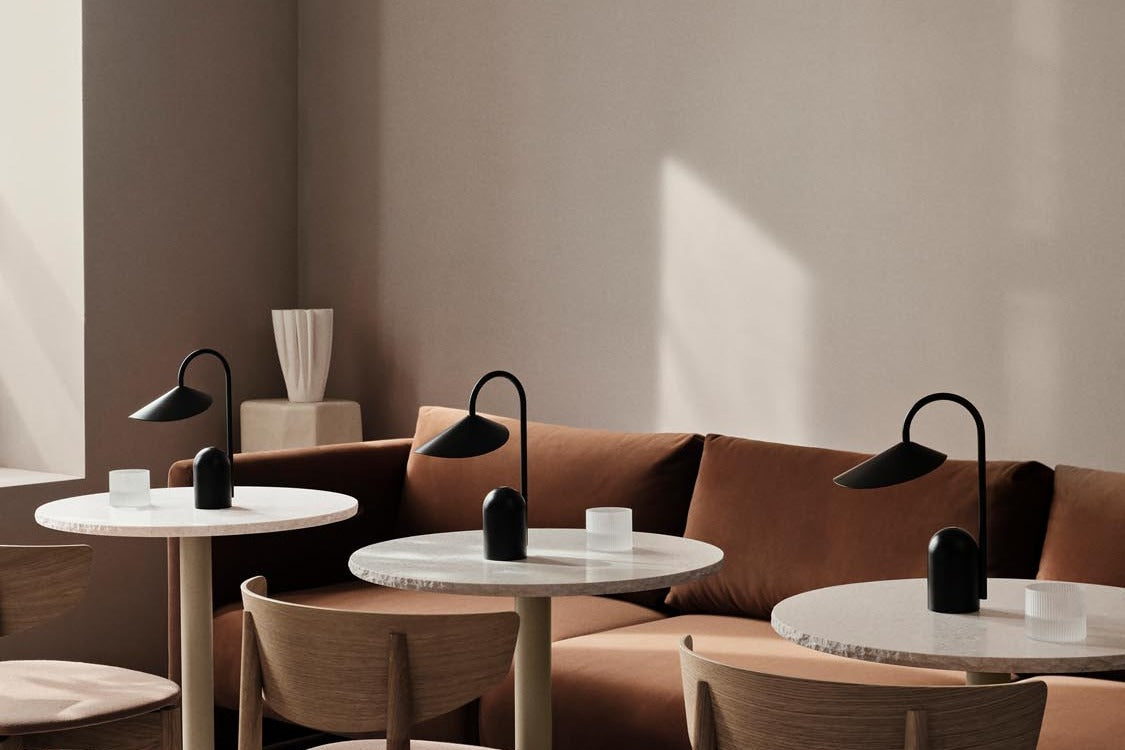
. The impact of a room comes not from variety, but from harmony. Too many different pieces of furniture, materials, or styles make rooms feel chaotic.
Those who consciously focus on a few well-coordinated pieces of furniture often achieve a more harmonious result. A carefully considered combination of sofa , , rug, and coffee table creates a calmer atmosphere than many individual pieces placed side by side.
Fewer choices promote clarity—both in the room and in your mind.

Better decisions require clear criteria
. When you narrow down your choices, the focus shifts from “What’s available?” to “What do I really need?”
Helpful criteria include:
- How will the furniture be used in everyday life?
- Does it fit with the existing proportions?
- Is the material durable and easy to maintain?
- Does it pair well with existing furniture?
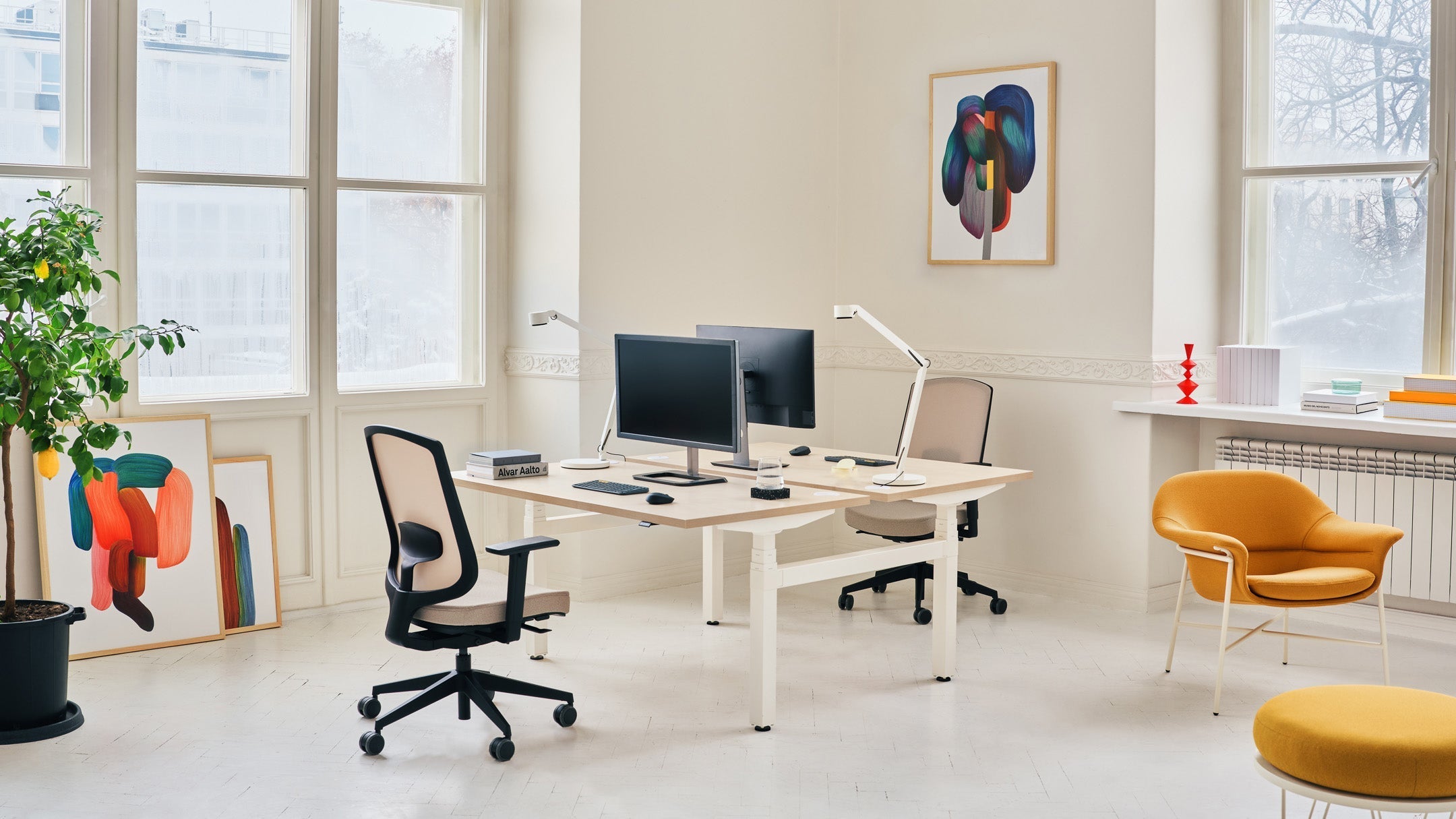
These questions help you make decisions faster and with greater confidence—whether in the living room, dining room, or home office.
Fewer choices save time, money, and stress
. When you compare fewer options, you decide faster. Those who make clearer decisions shop more mindfully. And those who shop more mindfully avoid costly impulse buys.
This is especially true for larger investments—such as sideboards , , armchairs , or dining tables , —that shape the room for the long term.
So fewer choices don’t mean sacrifice; they mean quality.
Minimalism doesn’t mean empty; it means intentional
. The trend toward fewer choices has nothing to do with sacrifice. It’s about making conscious decisions, not about empty spaces.
Especially in Scandinavian, Nordic, and Danish design, minimalism stands for clarity, function, and tranquility. Every object has a purpose—and a place.
The same applies to accessories: fewer items, used thoughtfully, have a stronger impact than many small, unrelated accents.
Conclusion: Fewer choices lead to better results
. Fewer choices make decision-making easier, reduce stress, and result in more harmonious spaces.
When you focus on the essentials when buying furniture, define clear criteria, and make thoughtful choices, you create spaces that work well over the long term—and feel good.
It’s not about choosing more, but making better decisions: That’s often the most important step toward a comfortable home.